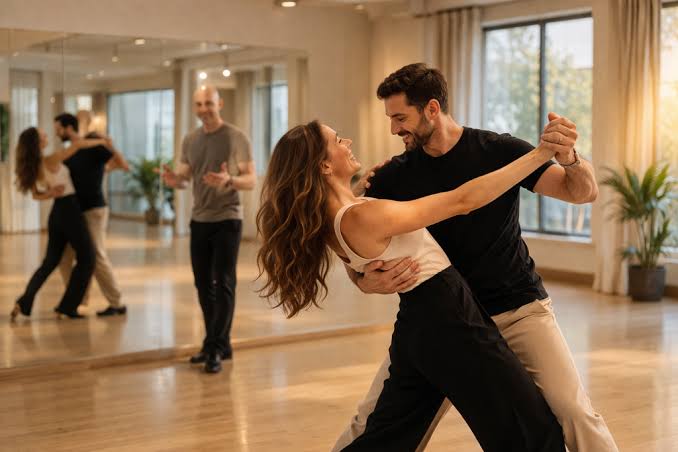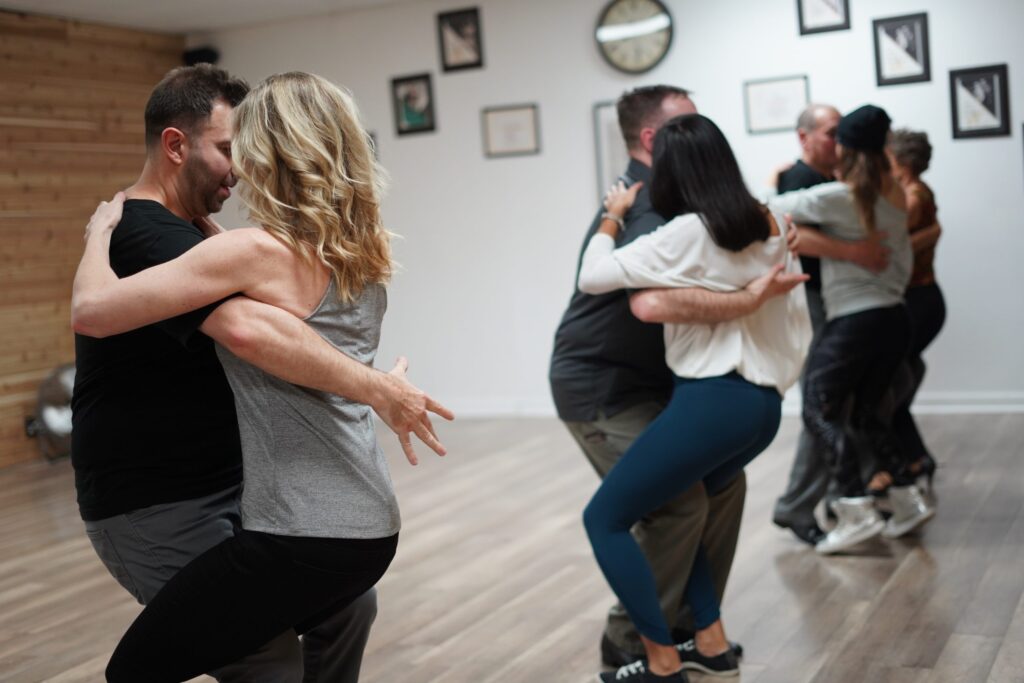
You start learning Salsa, and just as you’re getting comfortable with the steps, Bachata catches your attention. Then you watch a Ballroom performance and find yourself wanting to try that too.
But here’s the question: can learning several dance styles actually make you a better dancer, or could it slow your progress?
Learning different forms of dance can give you opportunities to develop coordination, musical awareness and movement versatility. However, taking on too much at once can make it harder to practise consistently and develop strong fundamentals in each style.
If you’re exploring dance classes in Dubai for adults, understanding when to focus on one style and when to branch out can help you make the most of your lessons.
The key isn’t necessarily how many styles you learn. It’s how well you balance exploration, practice and consistent progress.
Is It Better to Learn One Dance Style or Several?
Learning multiple dance styles can be beneficial for adults, provided they have enough time to practise and develop the fundamentals of each style.
If you’re completely new to dancing, focusing on one style initially can help you become familiar with basic movements, rhythm and coordination without having to switch between different techniques.
However, you don’t need to master one style before trying another. Learning two styles alongside each other can work well if you have a manageable schedule, clear goals and enough time to review what you’ve learnt.
For example, someone interested in social Latin dancing might choose Salsa as their primary style and add Bachata as a second. Someone who enjoys traditional Ballroom dancing might prefer to begin with Waltz before exploring Foxtrot.
The best approach is to choose a starting point, establish your fundamentals and add another style when your schedule allows you to practise both consistently.
What Happens When You Learn More Than One Dance Style?
Every dance style introduces a different combination of movements, rhythms and techniques.
Salsa involves rhythmic stepping patterns, turns and partner coordination. Bachata has its own musical structure and movement vocabulary, while Ballroom dances such as Waltz and Foxtrot introduce distinct approaches to posture, movement and partner connection.
When you explore multiple styles, you encounter different ways of moving to music and coordinating with a partner.
Some skills may complement one another. Practicing the Ballroom can help you pay closer attention to balance, posture and controlled movement. These skills may support your learning in other partner dances, although each style still requires its own technique and practice.
Similarly, learning different Latin rhythms gives you opportunities to recognise contrasting musical patterns and understand how movement relates to timing.
However, progress doesn’t automatically transfer from one style to another. You still need to learn the specific steps, techniques and characteristics of each dance.
Benefits of Learning Multiple Dance Styles
1. Develop Greater Movement Versatility
Different dance styles challenge your coordination in different ways.
One lesson might focus on quick directional changes, while another introduces controlled movement across the dance floor. Practising these variations gives you opportunities to adapt to different movement patterns.
This can be particularly useful during social dancing, where different types of music may be played throughout an event.
Rather than relying on one familiar sequence, you gradually become exposed to a wider range of dance movements and techniques.
2. Explore Different Rhythms and Musical Structures
Dance is closely connected to music, but every style interprets rhythm differently.
Salsa commonly uses an eight-count basic timing framework, while Bachata typically follows a four-beat basic pattern. Waltz is characterised by its three-beat metre.
Learning these differences encourages you to pay attention to timing, phrasing and the relationship between music and movement.
Instead of memorising steps alone, you get opportunities to practise interpreting different rhythms and responding to music in different ways.
3. Discover Which Styles You Enjoy Most
Your initial preference may change once you begin taking lessons.
Someone who starts with Salsa might discover that they enjoy the smooth movements of Waltz. Another person may prefer Bachata because of its music and movement patterns.
Exploring different styles gives you practical experience before deciding where to focus your time and effort.
You may even discover that you enjoy one style for social dancing and another as a longer-term learning goal.
4. Keep Your Learning Experience Varied
Learning a second style can introduce a different challenge when you’re ready for one.
For example, switching from Salsa to Ballroom exposes you to different movement patterns and musical characteristics. This variety can keep your learning experience interesting, particularly if you enjoy exploring new techniques.
However, variety should complement consistent practice rather than replace it. Frequently changing styles without reviewing previous lessons can make it harder to retain what you’ve learnt.
Can Learning Too Many Dance Styles Slow Your Progress?
Although learning multiple styles offers advantages, taking on too much at once can make practice difficult.
Beginners may occasionally confuse footwork patterns, timing or partner positions, particularly when two styles involve similar movements but use different techniques.
For example, Salsa and Bachata both involve partner dancing, yet their basic rhythms and stepping patterns differ. Switching between them requires attention until the movements become more familiar.
Limited practice time can also affect progress. If every lesson introduces new material, you may have little opportunity to review the movements from previous sessions.
This doesn’t mean adults should avoid learning multiple styles. It simply highlights the importance of maintaining a manageable schedule and giving each style enough attention.
When Should You Focus on One Dance Style?
Focusing on one style may be a better starting point if:
- You’re completely new to dancing.
- You have limited time for lessons and practice.
- You find it difficult to remember new movements between sessions.
- You have a specific goal, such as preparing for a wedding dance.
- You want to build a strong foundation before exploring more advanced techniques.
Concentrating on one style can help you become more familiar with its basic movements, timing and technique.
When Does Learning Two Styles Make Sense?
Learning two styles can work well if:
- You have enough time to attend lessons and practise between sessions.
- You enjoy exploring different types of music and movement.
- You want to participate in different forms of social dancing.
- You’re comfortable reviewing previous material while learning new techniques.
You can also choose one primary style and treat the second as a complementary activity. This lets you explore another interest without losing sight of your main goal.
Which Dance Styles Work Well Together?
Some dance styles share skills that may make learning them alongside each other a practical choice. The best combination depends on your interests, available practice time and learning goals.
Salsa and Bachata
Salsa and Bachata are a useful pairing for adults interested in social Latin dancing.
Both involve partner coordination, leading and following, and developing a sense of timing. However, their rhythms, footwork and movement characteristics differ.
If you enjoy social dancing, learning both can give you opportunities to explore different musical styles while continuing to develop your partner-dancing skills.
Explore the Salsa program and Bachata program to learn more about each style.
Waltz and Foxtrot
Waltz and Foxtrot are relevant choices for learners interested in Standard Ballroom dancing.
Both involve partner connection and movement around the dance floor, but their timing, musical characteristics and technical requirements differ.
Learning them together can give you opportunities to develop control, posture and awareness of movement while learning to recognise the differences between the two dances.
You can explore the Waltz program and Foxtrot program to understand these styles in more detail.
Tango and Waltz
Tango and Waltz offer contrasting approaches to musical expression and partner movement.
Waltz is associated with a flowing movement quality and three-beat timing, while Tango has a distinct character and different technical demands.
Exploring both can help you experience different ways of interpreting music and coordinating movement with a partner.
These combinations are suggestions, not fixed learning sequences. You can choose the styles that best match your interests and the time you have available.
How Can You Balance Two Dance Styles?
The key to learning multiple styles is to make sure you have enough time to practise what you learn.
For example, an adult learning Salsa and Bachata might organise their week around one lesson for each style, with short practice sessions between lessons.
Session | Suggested focus |
Lesson 1 | Salsa fundamentals and instructor feedback |
Practice session | Review Salsa steps and timing |
Lesson 2 | Bachata fundamentals |
Practice session | Review Bachata rhythm and basic movements |
Weekly review | Identify difficult movements and questions for the next lessons |
This is an illustrative schedule, not a requirement. If you have less time available, you could alternate styles across weeks or focus more heavily on one style while maintaining occasional practice in the other.
A few habits can also make learning more manageable:
Review previous lessons. Spend time practising familiar movements before introducing new combinations.
Keep practice sessions focused. Work on one or two specific skills rather than trying to revise everything at once.
Ask your instructor for guidance. If you are learning two styles, explain your goals so your instructor can help you organise your practice.
Be patient with progress. You may find some movements easier in one style than another. Give yourself time to understand each style’s specific techniques.
Frequently Asked Questions
1. Is It Difficult for Adults to Learn Different Dance Styles?
Not necessarily. Adults can explore multiple styles with regular instruction and practice. The difficulty depends on their experience, available time and the technical demands of each style. Starting with manageable goals can make the learning process easier to organise.
2. Do I Need Previous Dance Experience to Join Latin Dance Classes in Dubai?
No. Beginner Latin dance classes generally introduce fundamental steps, timing and partner coordination without requiring previous dance training. You can start with a style that interests you and develop your skills gradually.
3. Should I Learn Salsa or Bachata First?
Either can be a suitable starting point. Salsa may appeal to people who enjoy its rhythmic footwork and turns, while Bachata may attract learners who prefer its musical character and movement patterns. Your choice should reflect your interests and the teaching approach available to you.
4. How Often Should I Practise When Learning Two Dance Styles?
Your practice schedule should reflect your availability and learning goals. Regular, focused sessions are generally more useful than introducing too many new movements in one session. Even short review sessions can help reinforce what you have learnt.
5. Can I Switch Dance Styles After Taking Classes for Several Months?
Yes. Skills such as balance, coordination and musical awareness may support your learning in another style. However, you will still need to learn its specific movements, timing and techniques.
6. Can I Learn Salsa and Bachata at the Same Time?
Yes. Adults can learn Salsa and Bachata alongside each other if they have enough time for lessons and practice. Although the styles share some partner-dancing skills, their rhythms and techniques differ. Reviewing each style separately can help you become more familiar with its movements.
Ready to Explore Different Dance Styles?
Whether you’re interested in Salsa, Bachata or Ballroom, the right starting point depends on your goals, experience and available practice time.
At Dance Studios Dubai, you can explore different dance styles and identify the learning approach that suits your interests.
Explore our dance styles and find your next dance class.
Start with a style that interests you, build your fundamentals and explore other forms of dance as your skills develop.